How to Choose a Tomahawk: Head Shapes, Haft Length and Weight
A tomahawk looks simple: a light head on a straight haft. The details decide whether it is a camp tool, a throwing hawk or a piece for the mantel. This guide covers the three choices that matter most.
What Makes a Tomahawk a Tomahawk
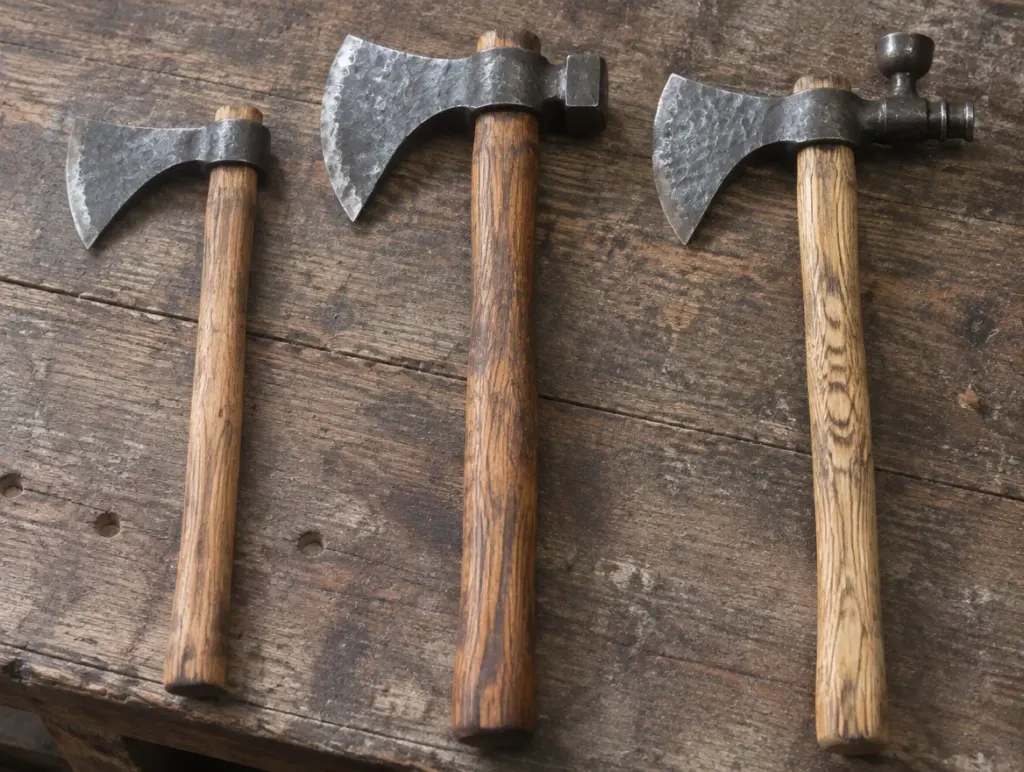
A tomahawk is lighter than a hatchet and carries its weight differently. The head has a round or teardrop eye, and on most traditional patterns it slides onto a straight, tapered haft from the bottom and locks by friction. That makes the handle easy to replace in the field, which is one reason the pattern lasted for three centuries.
The bit is thinner than an axe bit. It bites deep on light chopping and carving, but it is not built to split big rounds. If splitting firewood is the main job, read our tomahawk vs hatchet comparison first.
Head Shapes and What Each One Does
- Belt hawk. A small plain head with no poll. Light enough to carry all day, good for kindling, tent stakes and trail clearing.
- Hammer poll. A flat square face behind the eye. It drives pegs and stakes, which makes it the most useful pattern around a camp.
- Spike. A forged point behind the eye. Striking to look at and handy for hooking firewood or breaking ice. Carry it with a cover.
- Pipe tomahawk. A bowl on the poll, in the style of the presentation pieces exchanged between Native nations and European traders in the 1700s and 1800s. Today it is a display piece.
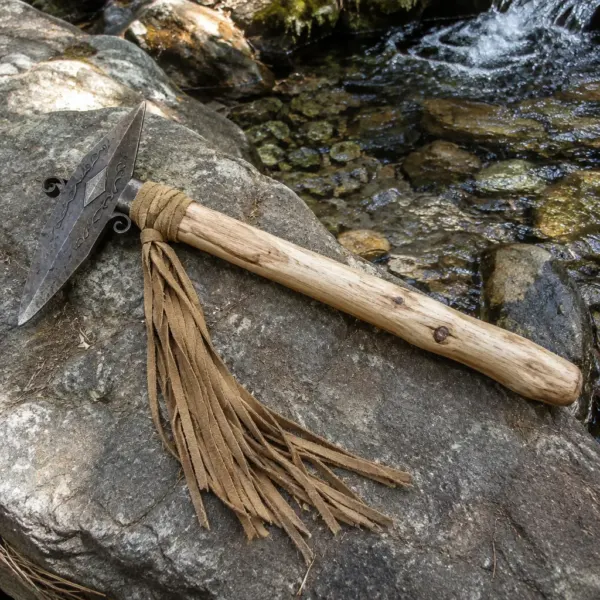
- Spontoon. A spear-shaped blade with curled lugs. A ceremonial and display form, not a chopping tool.
- Bearded hawk. The lower edge hooks down, so you can choke up behind the bit for carving and shaving.
- Throwing hawk. A plain flared head with a tapered eye, balanced to turn cleanly in the air.
Haft Length
Length changes how a hawk carries, swings and throws.
- 14 to 16 inches. Belt carry and close work. Easy to pack, less reach and power.
- 18 to 19 inches. The all-round length, and the standard for throwing. Most people get one clean rotation from about five paces with a haft this long.
- 20 to 22 inches. More reach and a longer line on the wall. Common on pipe tomahawks and decorated display pieces.
Hickory and ash are the traditional haft woods because they absorb shock without splitting. A straight grain that runs the full length of the handle matters more than the species.
Match the haft to the job: short for the belt, medium for throwing, long for the wall.
Weight and Balance
Most tomahawks weigh between 16 and 30 ounces all in. Under 20 ounces is quick in the hand and easy on the belt. Between 20 and 26 ounces gives enough mass for real camp chopping. Heavier pieces, especially double-bit and eagle-head hawks, are usually made to be looked at.
Balance matters as much as the number on the scale. Hold the hawk a hand’s width below the head. A working hawk should feel head-heavy but controllable, not like a hammer.
Working Hawk or Display Piece
Be honest about where the hawk will spend its life. Beadwork, feathers and fringed drops look right on a wall or in a collection, and they do not belong on a throwing block. A plain hawk with an oiled haft is the one to take to camp.
Whatever you choose, high-carbon steel needs a wipe of oil after use, and the haft needs linseed oil once a season. Our knife care guide covers both.
A Quick Way to Decide
- Camp chores: hammer poll or belt hawk, 16 to 19 inches.
- Throwing: plain throwing hawk, 18 to 19 inches, no decoration. See how to throw a tomahawk.
- Display and gifts: pipe, spontoon, eagle-head or double-bit tomahawks.
- Carving and green wood: bearded hawk or a carving axe.
How a Hand-Forged Tomahawk Is Made
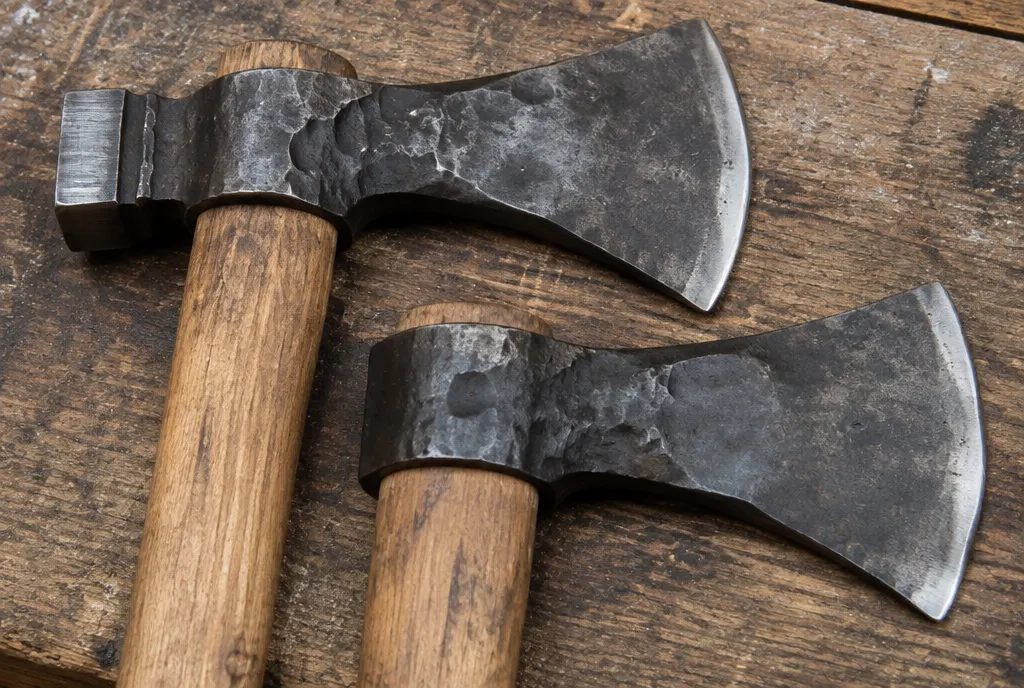
There are two traditional ways to forge a tomahawk head. In the wrapped method, a flat bar is folded around a round mandrel to form the eye, and a piece of harder high-carbon steel is forge-welded between the two halves to make the bit. This is how most trade tomahawks of the 1700s and 1800s were made. In the punched method, the smith starts with a solid block of steel and drives a drift through it to open the eye.
Either way, expect hammer marks, a little forge scale and an eye that is not perfectly symmetrical. Those are signs of handwork, not faults. What to check is the bit: the edge should be evenly ground on both sides, with no cracks at the weld line, and the eye should grip the haft all the way round.
Pipe Tomahawks and Decorated Hawks
The pipe tomahawk appeared in the early 1700s, made by English and French smiths for the fur trade. With a bowl on the poll and a haft drilled through its length, it could be smoked as well as carried. Because it stood for both the pipe and the axe, it became a favored diplomatic gift, and many surviving examples are finely inlaid with silver, brass and pewter.
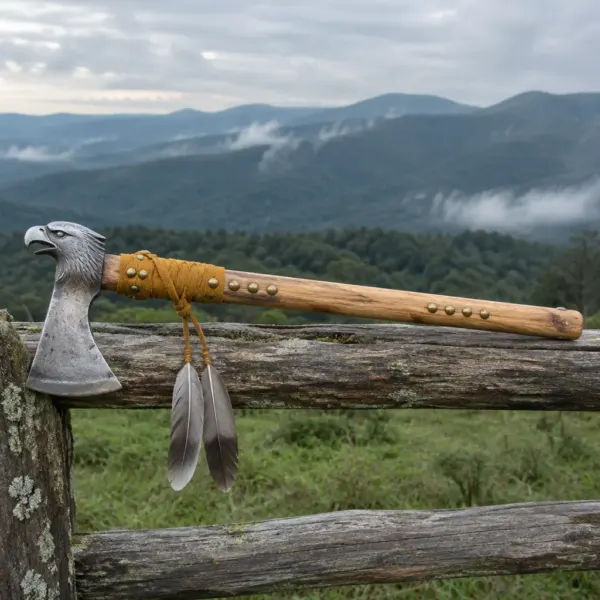
Brass tacks along the haft, wrapped buckskin grips, beaded drops and feathers follow the same tradition of dressing a hawk for ceremony and status. The decorated tomahawks we sell are made in a Native American style as collector and display pieces. Choose them the way you would choose any wall piece: by proportion, by the quality of the forging and by the materials. You can see the range in our Native American-style tomahawks.
Common Questions
What is a tomahawk axe?
It is the same tool. A tomahawk is a light, single-handed axe with a straight haft, and “tomahawk axe” is simply a common way of saying it. The name usually points to a working pattern with a plain or hammer poll head.
What size tomahawk is best for a beginner?
An 18 to 19 inch haft with a plain or hammer poll head, at about 20 to 24 ounces all in. It is long enough to chop and throw, and short enough to carry.
Can you chop wood with a tomahawk?
Yes, within limits. A tomahawk handles limbs, saplings and kindling well. It is too light and too thin in the bit to split large rounds, which is hatchet and axe work.
Why is the head on my tomahawk not wedged?
Because it is a friction fit. The haft is thicker at the top, and the head locks tighter with every swing. If it works loose, turn the hawk head down and rap the top of the haft on a stump until the head seats again.
Should a tomahawk be sharp?
A camp hawk should be sharp enough to shave wood, with a sturdy edge of about 25 to 30 degrees. A throwing hawk can be a little duller. A display piece only needs a clean, even edge.
Hand-Forged Tomahawks
Belt hawks, spike hawks, pipe tomahawks and throwing hawks, forged in high-carbon steel.
-
 New
Tricorner Knob Spontoon Tomahawk, White Ash
5.25 in blade · Ash
Spontoon Tomahawk with a spontoon head with a spear-shaped blade and curled side lugs, hand-forged in high-carbon steel, on white ash.
$375.00Free US shipping -
 New
Cloudland Eagle-Head Tomahawk, Hickory
3.5 in blade · Hickory
Eagle-Head Tomahawk with a tomahawk head with a forged eagle-head poll, hand-forged in high-carbon steel, on hickory.
$435.00Free US shipping -
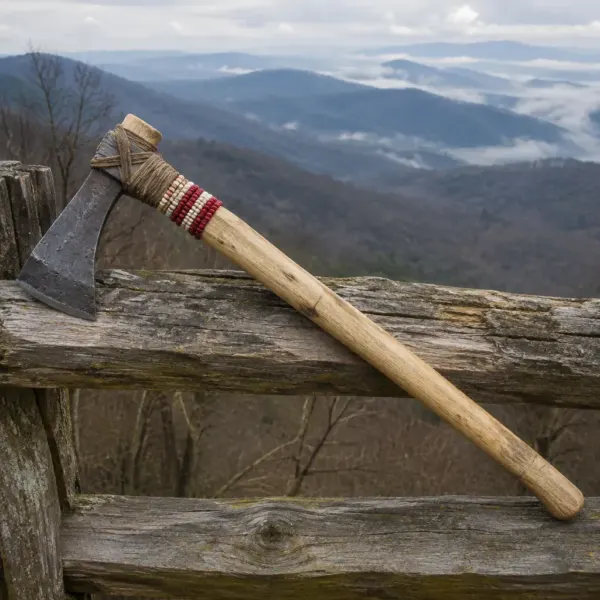 New
Sodom Laurel Trade Hawk, White Ash
3.5 in blade · Ash
Trade Hawk with a wrapped-eye trade hawk head, hand-forged in high-carbon steel, on white ash.
$315.00Free US shipping -
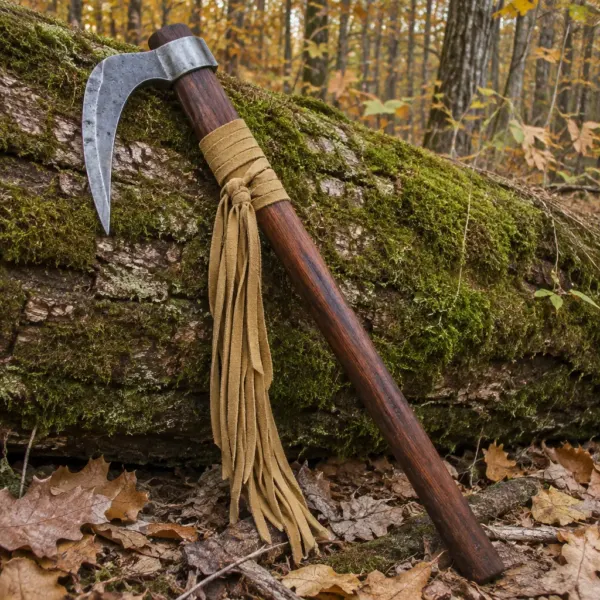 New
Noontootla Bearded Hawk, Black Cherry
4 in blade · Cherry
Bearded Hawk with a bearded hawk head with a long hooked bit, hand-forged in high-carbon steel, on black cherry.
$345.00Free US shipping
Keep Reading
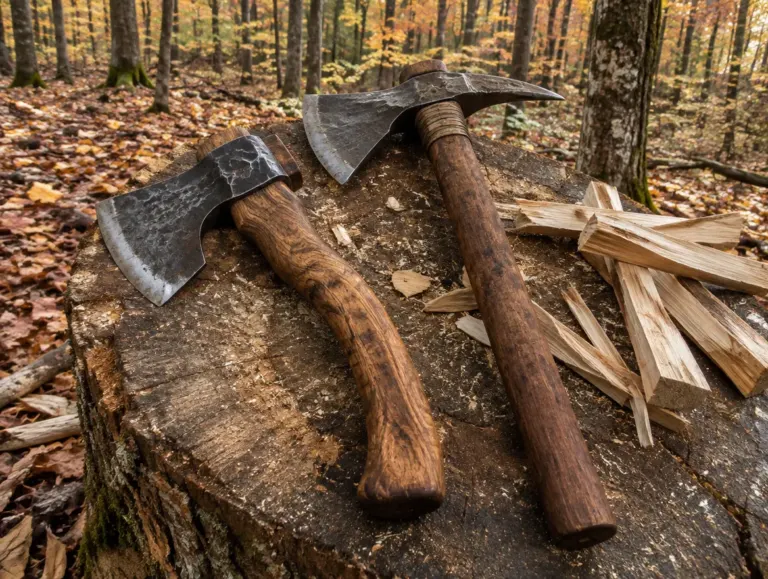
Tomahawk vs Hatchet: What Is the Difference?
They look alike, but the eye, the haft and the weight are different. Here is how to tell them apart and which one suits your work.

How to Throw a Tomahawk: Distance, Grip and Rotation
A safe setup, the right distance, a relaxed grip and one clean rotation. Everything a beginner needs for the first stick.
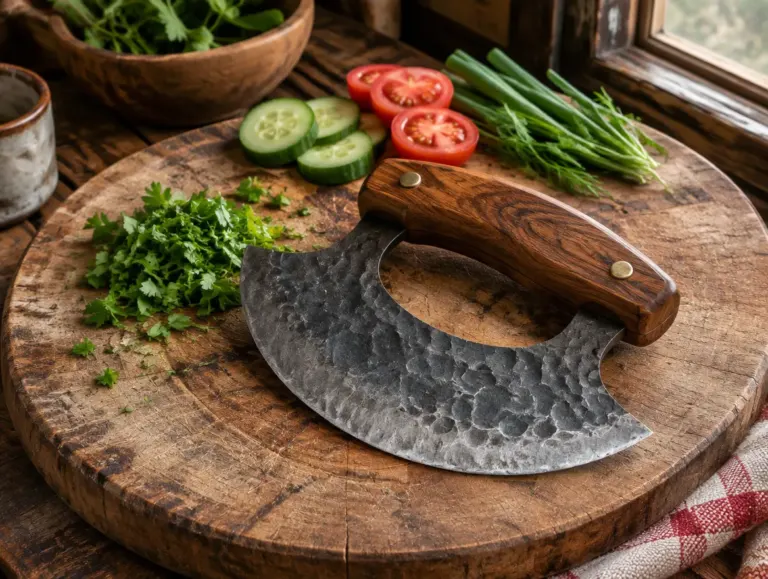
How to Use an Ulu Knife: Cuts, Uses, Sharpening and Care
The rocking cut, the slicing cut and the scraping cut, plus how to sharpen and look after a hand-forged ulu.